Choosing the right wood panel PVC for indoors is crucial for creating a stunning and functional interior. From the initial selection to installation and maintenance, this comprehensive guide walks you through every step, ensuring you make the best decision for your space. This detailed exploration of wood panel PVC covers everything from material properties and design considerations to cost analysis and troubleshooting, leaving no stone unturned.
Discover how to transform your home or office with the perfect wood panel PVC, tailored to your specific needs and aesthetic preferences.
This guide delves into the world of wood panel PVC, examining the various types, finishes, and colors available for indoor applications. We’ll explore the key material properties, including durability, moisture resistance, and fire safety standards. Understanding these factors is critical when choosing the right wood panel PVC for your specific interior design project. We’ll also discuss installation techniques, design ideas, and cost analysis, providing a holistic view of the entire process.
This comprehensive guide will empower you to confidently choose the perfect wood panel PVC to enhance your interior space.
Introduction to Indoor Wood Panel PVC
Interior design often seeks a blend of aesthetics and practicality. Wood paneling, a classic choice, can enhance ambiance, but traditional wood panels can be costly, prone to damage, and require extensive maintenance. Enter wood panel PVC, a versatile alternative that delivers the warm, inviting look of wood with superior durability and ease of care.This material provides a cost-effective and low-maintenance way to achieve a sophisticated and natural look in both residential and commercial settings.
Its adaptability to diverse design styles makes it a desirable choice for various interior applications.
Types of Wood Panel PVC
A wide variety of wood panel PVC options are available, catering to diverse design preferences and budgets. These options vary in the grain patterns, textures, and overall visual appeal, mimicking natural wood species like oak, maple, cherry, and more. The manufacturing process and materials used determine the specific characteristics of each type.
Finishes and Colors
Wood panel PVC offers a broad spectrum of finishes and colors, allowing for seamless integration into existing interior palettes. From classic warm tones to contemporary cool hues, there’s a finish to match any design style. Manufacturers frequently introduce new color options and finishes to stay ahead of current trends, maintaining a high degree of flexibility for design professionals and homeowners.
Benefits of Using Wood Panel PVC
The key advantages of wood panel PVC for indoor applications include durability, low maintenance, and cost-effectiveness. The material is resistant to moisture, scratches, and fading, making it ideal for high-traffic areas. Its low maintenance requirements save significant time and resources, compared to traditional wood paneling. The affordability often makes it a more accessible option for various interior design projects.
Typical Applications
Wood panel PVC is highly adaptable and suitable for a wide range of interior spaces. In residential settings, it’s frequently used in living rooms, dining areas, and bedrooms to add warmth and texture. In commercial settings, it can enhance the aesthetic appeal of offices, lobbies, and waiting areas. Its versatility extends to kitchens and bathrooms, although careful consideration of moisture resistance is crucial in these areas.
For instance, in a high-traffic restaurant, the durability and resistance to wear and tear are significant advantages over traditional wood paneling.
Material Properties and Considerations
Choosing the right wood panel PVC for your indoor project hinges on understanding its material properties. Different formulations and manufacturing processes significantly impact performance, durability, and environmental footprint. A thorough evaluation of these factors is crucial for making an informed decision, ensuring longevity, and minimizing potential issues.Understanding the specific characteristics of various wood panel PVC options allows for a tailored selection based on the project’s needs.
This includes factors like moisture resistance, temperature tolerance, and fire safety. Careful consideration of these properties is essential for achieving a successful and lasting installation.
Durability and Resistance to Environmental Factors
Material durability is paramount for indoor applications. Wood panel PVCs exhibit varying degrees of resistance to moisture, humidity, and temperature fluctuations. The formulation and manufacturing process play a significant role in determining these characteristics. High-quality PVC compounds often incorporate stabilizers to enhance resistance to environmental degradation.
- Moisture Resistance: Some wood panel PVC formulations are specifically designed to resist moisture absorption, crucial for maintaining structural integrity in humid environments. Products with higher density and less porosity generally demonstrate better moisture resistance. For example, a bathroom renovation project would require a product highly resistant to moisture.
- Humidity Tolerance: Wood panel PVCs are generally less susceptible to dimensional changes from humidity compared to natural wood. However, prolonged exposure to extreme humidity can still affect certain types, necessitating careful selection for specific applications. The use of specific additives and manufacturing techniques influences the overall humidity tolerance.
- Temperature Fluctuation Resistance: Wood panel PVC is typically more resistant to temperature fluctuations than natural wood. However, some formulations might exhibit slight dimensional changes or warping if exposed to extremely high or low temperatures for extended periods. This factor is important in areas with significant temperature variations.
Fire Safety Standards and Regulations
Fire safety is critical in indoor environments. Wood panel PVC products must meet relevant fire safety standards and regulations. These regulations vary by region and application. Compliance with these standards ensures a safe and secure installation.
- Compliance with Standards: Products conforming to relevant fire safety standards, such as those pertaining to flame spread and smoke emission, are essential for indoor applications. Certification from recognized testing agencies is often a reliable indicator of compliance.
- Local Regulations: Building codes and regulations may mandate specific fire safety standards for wood panel PVC. It’s crucial to verify compliance with local regulations prior to installation.
Impact of Manufacturing Processes
Different manufacturing processes significantly influence the quality and performance of wood panel PVC. The quality of the raw materials, the manufacturing techniques, and the quality control measures employed all play a crucial role in the final product’s performance.
- Raw Material Quality: The quality of the raw materials used in the manufacturing process directly impacts the final product’s characteristics. High-quality PVC compounds contribute to superior durability, moisture resistance, and overall performance.
- Manufacturing Techniques: Advanced manufacturing techniques, such as specialized extrusion or molding processes, can enhance the structural integrity and aesthetic appeal of wood panel PVC. These techniques often improve the final product’s uniformity and precision.
- Quality Control Measures: Rigorous quality control procedures throughout the manufacturing process ensure consistency and reliability. This includes testing for dimensional accuracy, structural integrity, and adherence to fire safety standards.
Environmental Impact
The environmental impact of wood panel PVC production and disposal should be considered. The production process may involve the use of various chemicals, while disposal can have potential environmental consequences. Eco-friendly options are available.
- Material Sourcing: Consideration of the source of raw materials is crucial. Sustainable sourcing of raw materials can minimize the environmental footprint of PVC production.
- Recycling Potential: The recyclability of wood panel PVC should be evaluated to minimize waste and promote circularity. Recycled content in the product can also reduce the environmental impact.
- Waste Management Practices: Appropriate waste management practices during production and disposal are vital to minimize environmental harm. Proper disposal methods can help ensure safe handling of PVC products.
Installation and Maintenance
Choosing the right wood panel PVC for your indoor space is only half the battle. A smooth and successful installation is crucial for achieving the desired aesthetic and longevity. Proper maintenance will ensure your investment continues to look its best for years to come. Understanding the installation process and necessary upkeep will allow you to maximize the value and visual appeal of your chosen panels.Careful planning and execution during installation significantly impact the final outcome.
A well-executed installation not only enhances the visual appeal but also contributes to the longevity and durability of the wood panel PVC. By understanding the steps involved and the necessary tools, you can ensure a professional-looking installation that will withstand the test of time.
Installation Steps
A systematic approach to installation is essential for achieving a professional finish. This involves meticulous preparation of the surface, careful selection of mounting methods, and precise execution of the installation process. Following these steps ensures a secure and aesthetically pleasing result.
- Surface Preparation: Thoroughly clean the wall or surface where the panels will be installed. Remove any loose paint, dust, or debris. Ensure the surface is completely dry and free of imperfections that could compromise the adhesion of the panels. This preparation step is critical for a strong and lasting installation.
- Measuring and Cutting: Carefully measure the area to be covered. Determine the precise dimensions required for each panel. Use a sharp utility knife or a specialized PVC cutter to accurately cut the panels to the desired size. Precise cutting is essential to avoid any gaps or misalignment.
- Mounting: Select the appropriate mounting method for your chosen panels. Consider factors like the weight of the panels and the type of surface. Common methods include adhesive application, nail or screw placement, and clip-on systems. Each method has its own set of advantages and disadvantages, so choose the one best suited for your project.
- Panel Application: Apply the panels according to the manufacturer’s instructions. Ensure the panels are aligned correctly and pressed firmly against the surface. Proper alignment is crucial for achieving a seamless and visually appealing finish.
- Finishing Touches: Once all panels are in place, inspect the installation for any gaps or inconsistencies. Carefully fill any gaps with a suitable filler or caulk. A clean and professional finish is critical to the overall appearance of the space.
Tools and Equipment
A well-stocked toolkit is essential for a successful installation. The appropriate tools not only expedite the process but also contribute to the quality of the final product.
- Measuring Tools: Measuring tape, level, and pencil are essential for precise measurements and alignment.
- Cutting Tools: Utility knife, PVC cutter, or saw for accurate panel sizing.
- Mounting Tools: Depending on the chosen mounting method, nails, screws, adhesive, and clips.
- Cleaning Supplies: A clean surface is paramount for a good installation. Cleaning cloths and appropriate solvents.
- Safety Equipment: Safety glasses and gloves should be worn to protect against potential hazards during installation.
Mounting Methods
Selecting the right mounting method is crucial for a successful installation. Factors like the surface material, panel weight, and desired aesthetic play a significant role in the decision-making process.
- Adhesive Mounting: Suitable for smooth surfaces and lightweight panels. Ensures a clean, seamless finish. Requires careful preparation of the surface and precise application of the adhesive.
- Nail or Screw Mounting: Suitable for a variety of surfaces and panel weights. Provides a secure and durable installation. Requires precise hole placement and appropriate fasteners.
- Clip-on Mounting: Ideal for quick installation and a clean look. Suitable for panels with specific clip-on systems. Easy to remove and reinstall for maintenance or adjustments.
Installation Time
The time required for installation varies based on several factors, including the size of the area, the complexity of the design, and the experience level of the installer. These factors should be considered to estimate the necessary time.
| Panel Size (sq ft) | Installation Time (hours) |
|---|---|
| 10 | 2-3 |
| 20 | 4-5 |
| 30 | 6-8 |
| 40 | 8-10 |
Design and Aesthetic Considerations: Choosing The Right Wood Panel PVC For Indoors
Transforming a space often hinges on the right choice of materials. Wood panel PVC, with its versatility, offers a compelling solution for achieving a desired aesthetic. Careful consideration of design elements, color palettes, and visual effects can elevate any interior.Interior design ideas are crucial in setting the mood and style of a room. The right choice of material, like wood panel PVC, can make a significant impact on the overall look and feel.
Experimenting with different design ideas, color palettes, and visual effects can lead to a space that’s both functional and visually appealing.
Picking the perfect wood panel PVC for your indoor space is crucial. Consider factors like durability and aesthetics. Understanding the best UPVC options for home renovation projects, like best upvc for home renovation projects , will help you make informed decisions. Ultimately, the right wood panel PVC will elevate your interior design and add value to your home.
Interior Design Ideas with Wood Panel PVC
Wood panel PVC offers a wide array of possibilities for interior design. Here are three distinct design ideas:
- A contemporary living room featuring a sleek, modern aesthetic can benefit greatly from wood panel PVC. The subtle warmth of the wood paneling creates a cozy atmosphere without sacrificing the room’s modern feel. By selecting a light, neutral color for the panels, the room will feel airy and spacious.
- A traditional dining room can be transformed with wood panel PVC. A rich, dark wood paneling can create a sense of grandeur and sophistication, perfectly complementing the traditional furniture and décor. The use of intricate wood grain patterns in the panels can add an element of elegance and detail.
- A minimalist bedroom can benefit from the use of wood panel PVC to add a touch of natural warmth. The smooth, clean lines of the panels, coupled with a muted color palette, create a tranquil and serene atmosphere. The subtle wood grain texture provides a sophisticated and modern touch without overpowering the minimalist aesthetic.
Color Palettes for Wood Panel PVC
Choosing the right color palette is essential for achieving the desired aesthetic. Here are five color palettes that complement wood panel PVC:
- A warm, inviting palette of creamy whites, soft beiges, and warm grays complements the natural tones of wood panel PVC. This palette creates a cozy and inviting atmosphere, perfect for a living room or bedroom.
- A cool, contemporary palette featuring gray, navy, and white creates a sophisticated and modern look. The subtle warmth of the wood panel PVC contrasts beautifully with the cooler tones, adding visual interest.
- A bold, dramatic palette featuring deep reds, rich browns, and black creates a sophisticated and luxurious atmosphere. The rich tones of the wood panel PVC will be highlighted by these bold colors, making a statement in any room.
- A calming, neutral palette of muted greens, soft grays, and natural beiges creates a serene and peaceful atmosphere. The wood panel PVC’s natural tones blend seamlessly with this palette, creating a soothing and calming environment.
- A vibrant, energetic palette of sunshine yellow, coral, and terracotta complements the natural warmth of the wood panel PVC. This palette is perfect for a kitchen or a dining area, adding a cheerful and inviting atmosphere.
Visual Effects with Wood Panel PVC
Wood panel PVC can be used to create a variety of visual effects. Here are some ways to use it:
- Using different wood grain patterns, like straight, horizontal, or vertical, can create a variety of visual effects. For instance, horizontal lines can make a room feel wider, while vertical lines can make it feel taller. The choice of grain pattern can significantly impact the room’s overall aesthetic.
- Layering different textures can add depth and dimension to the room. For example, combining wood panel PVC with other materials, like stone or metal, can create a unique and layered look.
- Highlighting specific areas with wood panel PVC can create a focal point. Using wood panel PVC to create a statement wall or to frame a fireplace can direct the eye and add visual interest.
Comparing Wood Panel PVC Styles
Different wood panel PVC styles offer distinct visual appeals. Consider the following:
- A smooth, flat finish provides a clean and modern aesthetic. It’s ideal for rooms with a minimalist or contemporary design.
- A textured finish, with wood grain patterns, adds a sense of depth and warmth. It’s a good choice for rooms with a traditional or rustic design.
Compatibility with Interior Styles
The following table demonstrates the compatibility of wood panel PVC with different interior styles:
| Interior Style | Wood Panel PVC Compatibility |
|---|---|
| Modern | Excellent. Smooth finishes and neutral colors complement the style. |
| Traditional | Good. Textured finishes and rich colors enhance the style. |
| Minimalist | Excellent. Clean lines and muted colors blend seamlessly with the style. |
| Rustic | Good. Textured finishes and natural colors enhance the style. |
Cost and Value Analysis
Choosing the right interior wall covering is a crucial investment, especially when considering the long-term aesthetic and functional value. Wood panel PVC offers a compelling alternative to traditional options, but its cost-effectiveness needs careful evaluation. This section explores the comparative cost, long-term value, influencing factors, and potential return on investment (ROI) of wood panel PVC.
Comparative Cost Analysis, Choosing the right wood panel PVC for indoors
Understanding the cost of wood panel PVC requires a comparison with other popular interior wall coverings. This comparison considers factors like material cost, installation complexity, and long-term maintenance. While wood panel PVC can be a more substantial upfront investment than paint or wallpaper, it often demonstrates a lower cost of ownership over time.
Long-Term Value Proposition
Wood panel PVC’s long-term value proposition lies in its durability, low maintenance, and aesthetic appeal. This translates to a significant return on investment, particularly in high-traffic areas or commercial spaces. The ability to resist moisture, scratches, and fading significantly reduces the need for costly repairs and replacements over time. Furthermore, the inherent aesthetic appeal often elevates the perceived value of a space.
Factors Influencing Cost
Several factors affect the cost of wood panel PVC. These include the type of wood grain replicated, the quality of the PVC material, the complexity of the design, and the labor costs associated with installation. For example, a more intricate wood grain design might increase the cost due to the higher precision needed in manufacturing. Likewise, superior PVC materials may lead to a higher price point but offer better durability and resistance to damage.
Picking the perfect wood panel PVC for your indoor space hinges on factors like budget and aesthetic. Consider the vibrant alternatives, like deco wall murals, for a dramatic impact, exploring their benefits here. Ultimately, the right wood panel PVC choice depends on your specific needs and desired look, ensuring a cohesive and stylish interior.
Potential ROI in a Specific Scenario
Consider a homeowner renovating a kitchen. Replacing the existing tile backsplash with wood panel PVC could significantly enhance the room’s visual appeal and perceived value. Assuming a 100 sq ft area, and a moderate wood panel PVC option costing $10 per square foot, the total cost would be $1000. Comparing this to a similar backsplash renovation using other materials, such as ceramic tile, which could cost $15 per square foot, the total cost would be $1500.
The long-term durability and aesthetic appeal of the wood panel PVC, coupled with potential increases in property value, can lead to a higher ROI compared to other options over time.
Cost per Square Foot Table
This table provides a comparative overview of wood panel PVC costs per square foot, categorized by quality and design. Different suppliers and installation contractors may have varying pricing structures.
| Wood Panel PVC Type | Estimated Cost per sq ft | Notes |
|---|---|---|
| Standard Wood Grain | $8-$12 | Basic wood grain replication, standard PVC quality. |
| Premium Wood Grain | $12-$18 | More intricate wood grain replication, higher quality PVC. |
| High-End Wood Grain | $18-$25 | Detailed wood grain replication, premium PVC quality, potentially including additional features. |
Choosing the Right Wood Panel PVC for Specific Needs
Transforming your space with wood panel PVC offers a beautiful and versatile option. However, choosing the right type for your specific needs is crucial for both aesthetics and longevity. Different rooms have varying demands, and understanding these differences will help you select the perfect wood panel PVC.Selecting the appropriate wood panel PVC for your home’s unique environment is key to its long-term performance and visual appeal.
Consider the moisture levels, potential for water damage, and desired aesthetic qualities when making your decision. This comprehensive guide will help you navigate these factors and choose the best wood panel PVC for your needs.
Selecting Wood Panel PVC for Different Rooms
Different rooms have unique environmental conditions. Understanding these differences helps ensure the longevity and suitability of your wood panel PVC. Kitchen areas, for example, often experience higher levels of moisture and spills, while bathrooms are frequently exposed to humidity. Living rooms, on the other hand, often have lower moisture content. Understanding these variations allows you to choose the appropriate material.
- Kitchen: Look for wood panel PVC with a high resistance to moisture and spills. Consider options with a sealed surface to prevent water absorption. A durable, easy-to-clean surface is essential for a kitchen environment.
- Bathroom: High humidity and potential water splashes demand wood panel PVC with exceptional moisture resistance. Select products specifically designed for high-humidity areas, often featuring moisture-resistant adhesives and backing materials.
- Living Room: Living rooms typically have lower moisture levels. You can select from a wider variety of wood panel PVC options, focusing on aesthetic appeal and durability. Consider a variety of colors and finishes to complement your room’s decor.
Wood Panel PVC for High-Humidity Areas
High-humidity areas, like bathrooms, require wood panel PVC with specific characteristics. Look for materials resistant to mold and mildew growth. Proper ventilation and consistent maintenance can further mitigate the risk of these issues.
- Moisture Resistance: Crucial for preventing warping, swelling, and material degradation. Wood panel PVC options with superior moisture resistance will stand up to humid conditions better.
- Mold and Mildew Resistance: High humidity can lead to mold and mildew growth. Select wood panel PVC with a protective coating or treatment to prevent this issue. A sealed surface and good ventilation are also key.
- Durability: Wood panel PVC for high-humidity areas must withstand repeated exposure to moisture without damage. High-quality materials are essential for long-term performance.
Wood Panel PVC for Areas with Potential Water Damage
Areas prone to water damage, like basements or areas near water sources, require wood panel PVC with extra protection. Consider options that are water-resistant or waterproof.
- Waterproof or Water-Resistant: These properties are essential for preventing damage from spills or leaks. Look for wood panel PVC options explicitly designed for areas susceptible to water damage.
- Durable Adhesive: A strong adhesive is crucial for resisting water damage. A strong adhesive will help maintain the panel integrity even with exposure to water.
- Easy Maintenance: Easy-to-clean surfaces will help maintain the appearance of the panels. The ability to quickly clean the panels can be a great advantage for minimizing water damage.
Choosing Wood Panel PVC for Aesthetic Preferences
Aesthetic considerations are vital for creating the desired ambiance in a room. Matching the wood panel PVC to the overall design and color scheme is important.
- Color and Finish: A wide range of colors and finishes allows you to match your existing decor. Choosing a color that complements your existing furnishings and other décor elements is key.
- Wood Grain: The realistic wood grain on some PVC panels creates a natural look, while other options offer a variety of textures and styles.
- Overall Design: Wood panel PVC can be used to create a rustic, modern, or traditional aesthetic. Consider the overall style of your home when making your choice.
Best Wood Panel PVC Options Based on Room Needs
| Room | Criteria | Recommended Wood Panel PVC Options |
|---|---|---|
| Kitchen | High moisture resistance, easy clean-up | Waterproof PVC, PVC with sealed surface |
| Bathroom | High moisture resistance, mold/mildew resistance | PVC with mold inhibitors, waterproof PVC |
| Living Room | Aesthetic appeal, durability | PVC with variety of finishes, high-quality PVC |
Troubleshooting and Common Issues
Choosing the right wood panel PVC for your indoor project is crucial. However, even with the best selection, installation hiccups can occur. Understanding potential problems and their solutions empowers you to address them effectively, ensuring a smooth and successful installation. This section details common issues, troubleshooting methods, and preventive measures to help you avoid costly mistakes.
Installation Issues
Proper installation is paramount for the longevity and aesthetic appeal of wood panel PVC. Incorrect installation can lead to issues ranging from minor cosmetic imperfections to structural problems. Understanding these issues and their remedies is key to a successful project.
- Uneven Panels: Uneven panels can result from improper handling or inaccurate measurements. Ensure panels are carefully handled during transport and installation, and use precise measurements to avoid gaps or overlaps. Using a level and a straight edge to check panel alignment during installation can minimize unevenness. If unevenness arises, carefully remove the affected panel, re-measure, and re-install.
Rectifying the issue before further installation steps prevents the need for extensive rework.
- Gaps and Seams: Gaps and seams between panels can be due to incorrect panel alignment, insufficient adhesive, or expansion/contraction. Carefully align panels, ensuring a tight fit. Using a high-quality, waterproof adhesive and applying it evenly is crucial. Regular checking for gaps, especially in high-humidity areas, is essential. Use filler to seal gaps and touch up with matching paint or sealant.
- Warping and Distortion: Warping and distortion in panels can stem from exposure to extreme temperatures or humidity. Ensure the installation environment maintains a consistent temperature and humidity level. Storing panels appropriately before installation, away from direct sunlight or extreme heat, can help prevent warping. In case of minor warping, consider carefully adjusting the panels or using appropriate filler to minimize distortion.
- Damage During Installation: Handling and installation can sometimes lead to damage to the panels. Carefully maneuver panels to avoid scratches or dents. Using appropriate tools and techniques, like specialized panel clamps, can reduce the risk of damage. Inspect panels for damage before and after installation. If damage occurs, repair or replace damaged sections as necessary.
Troubleshooting Methods
Effective troubleshooting requires a systematic approach. Identifying the source of the problem is the first step in finding a solution.
- Visual Inspection: Thoroughly inspect the installed panels for any signs of gaps, unevenness, or damage. Identifying the specific area of concern is crucial.
- Reviewing Installation Procedures: Refer to the manufacturer’s instructions to ensure all installation procedures were followed correctly. Ensuring adherence to recommended guidelines can prevent potential issues.
- Testing for Moisture Issues: Check for moisture build-up or leaks, as these can contribute to panel warping or damage. Using moisture meters can help detect any moisture problems.
- Seeking Professional Advice: Consult with a qualified professional if you encounter complex issues you cannot resolve. Their expertise can provide valuable insights and solutions.
Preventive Measures
Proactive steps can significantly reduce the likelihood of installation problems.
- Proper Storage: Store panels in a cool, dry place away from direct sunlight and extreme temperatures to prevent warping or damage.
- Accurate Measurements: Carefully measure the space and ensure accurate panel sizing to minimize gaps or overlaps.
- Quality Materials: Choose high-quality wood panel PVC and adhesives to enhance durability and longevity.
- Appropriate Installation Tools: Use the correct tools and techniques for a smooth and secure installation.
Potential Problems and Solutions
A comprehensive approach involves understanding potential issues and their resolutions.
| Problem | Solution |
|---|---|
| Uneven Panels | Re-measure, re-align, and re-install the panel. |
| Gaps and Seams | Use filler to seal gaps, ensuring a tight fit. |
| Warping and Distortion | Ensure consistent temperature and humidity during installation. |
| Damage During Installation | Carefully handle panels and use appropriate tools. |
Illustrative Examples and Visuals
Transforming your space with wood panel PVC requires understanding its visual appeal. Different options offer varying aesthetics, impacting the overall feel and look of a room. From subtle wood grains to sleek, smooth surfaces, the possibilities are vast, enabling a personalized design experience. This section explores the diverse visual options available and how they contribute to a space’s unique charm.
Appearance of Different Wood Panel PVC Options
Various wood panel PVC options provide a wide spectrum of visual appeal. Some options mimic the natural beauty of real wood, with intricate wood grain patterns and subtle variations in tone. These options create a warm and inviting atmosphere. Other choices offer a more contemporary look with smooth, seamless surfaces, perfect for minimalist or modern designs. This versatility allows you to seamlessly integrate wood panel PVC into diverse interior styles.
Texture and Feel of Wood Panel PVC
The texture and feel of wood panel PVC play a crucial role in the overall impression. Some options have a subtle, almost imperceptible texture, akin to a real wood veneer. Others might offer a slightly raised grain, mimicking the tactile quality of real wood. Smooth, glossy surfaces provide a sophisticated and contemporary look. Understanding these subtle variations allows for a well-informed decision aligning with the desired aesthetic.
Examples of Unique Design Elements
Wood panel PVC can be used to create unique design elements. For example, a herringbone pattern on a wall adds a touch of sophistication and visual interest. A feature wall with a specific wood grain pattern can act as a focal point. Alternatively, a series of different wood panel PVC types in a room can provide a sense of depth and dimension, highlighting different zones or architectural features.
These examples demonstrate the versatility of wood panel PVC in creating distinctive interior spaces.
Enhancing Aesthetics with Wood Panel PVC
Wood panel PVC can significantly enhance the aesthetics of a space. A light-colored wood panel PVC can brighten a room, making it feel more spacious. Darker tones can create a cozy and intimate atmosphere. The ability to choose different tones, textures, and patterns allows you to precisely match the desired aesthetic. This versatility ensures a harmonious blend with existing décor and furniture.
Illustrative Image Set
Imagine a living room with a light beige wood panel PVC wall. The wall has a subtle wood grain pattern that complements the light-colored sofa and wooden coffee table. The natural light in the room enhances the warm and inviting atmosphere. In a different setting, a bedroom features a dark brown wood panel PVC accent wall with a smooth, matte finish.
This choice creates a calming and sophisticated ambiance, contrasting with the lighter furniture. Another example shows a kitchen with a medium-toned wood panel PVC backsplash. The wood grain design adds a touch of warmth and visual interest, complementing the stainless steel appliances. These diverse settings showcase the wide range of aesthetic possibilities offered by wood panel PVC. Furthermore, the smooth surface is ideal for high-traffic areas like kitchens and bathrooms.
Final Wrap-Up
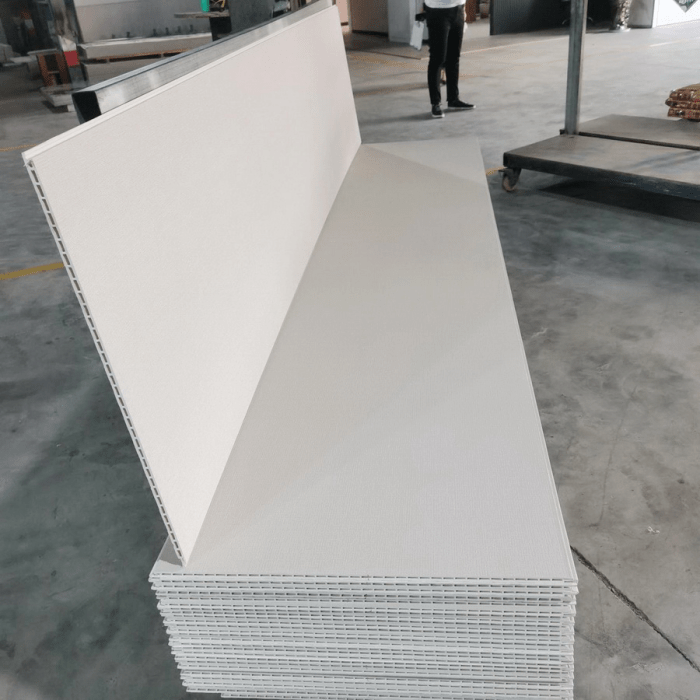
In conclusion, choosing the right wood panel PVC for your indoor project requires careful consideration of various factors, from material properties and installation methods to design aesthetics and cost-effectiveness. This guide has equipped you with the knowledge to navigate the entire process, ensuring a seamless and successful transformation of your interior space. From understanding the different types and finishes to considering the specific needs of each room, we’ve covered it all.
Remember to weigh the pros and cons of each option and prioritize your specific design goals. Ultimately, the right wood panel PVC choice will elevate your space, creating a unique and personalized atmosphere that reflects your style and needs.